The Holon pilot
-
 Caption for the first photo.
 -
 Caption for the second photo.
 -
 Caption for the third photo.
Overview
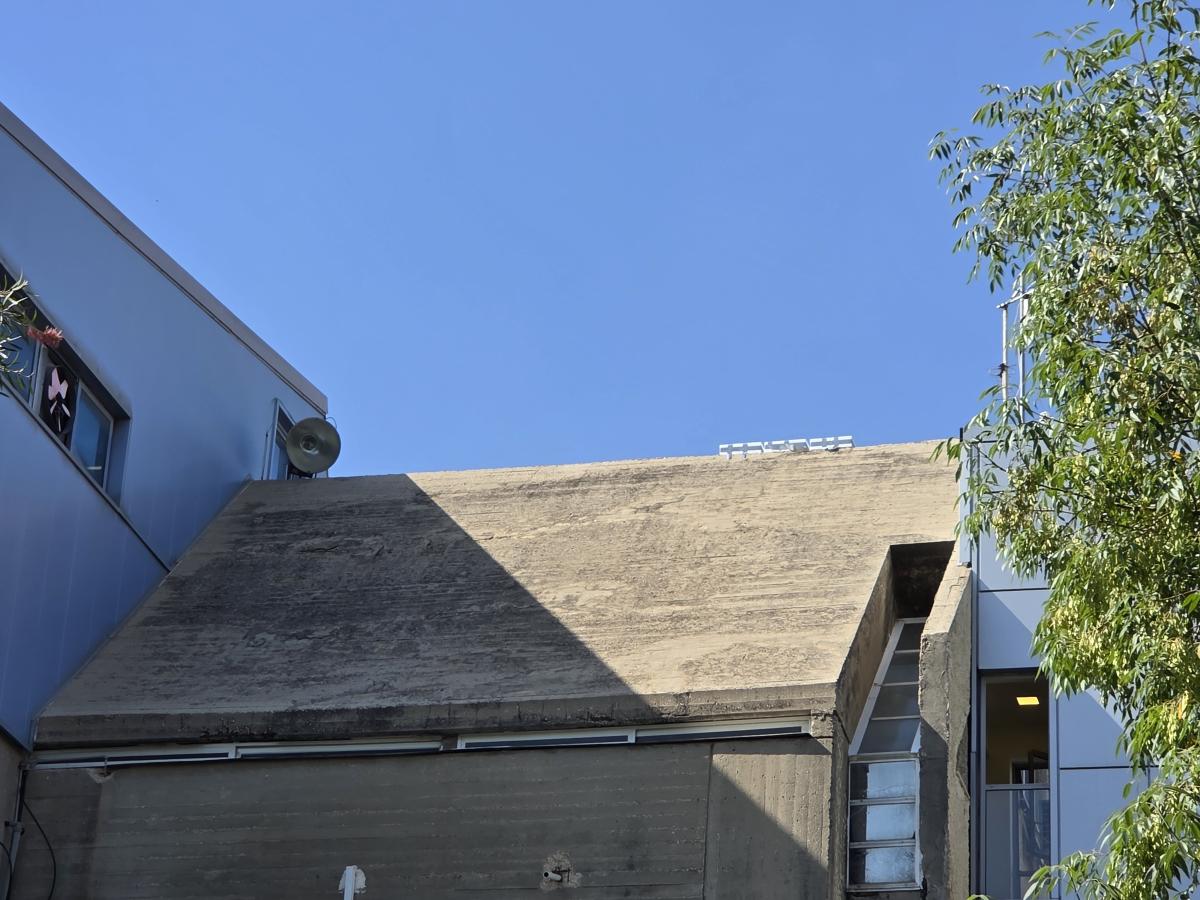
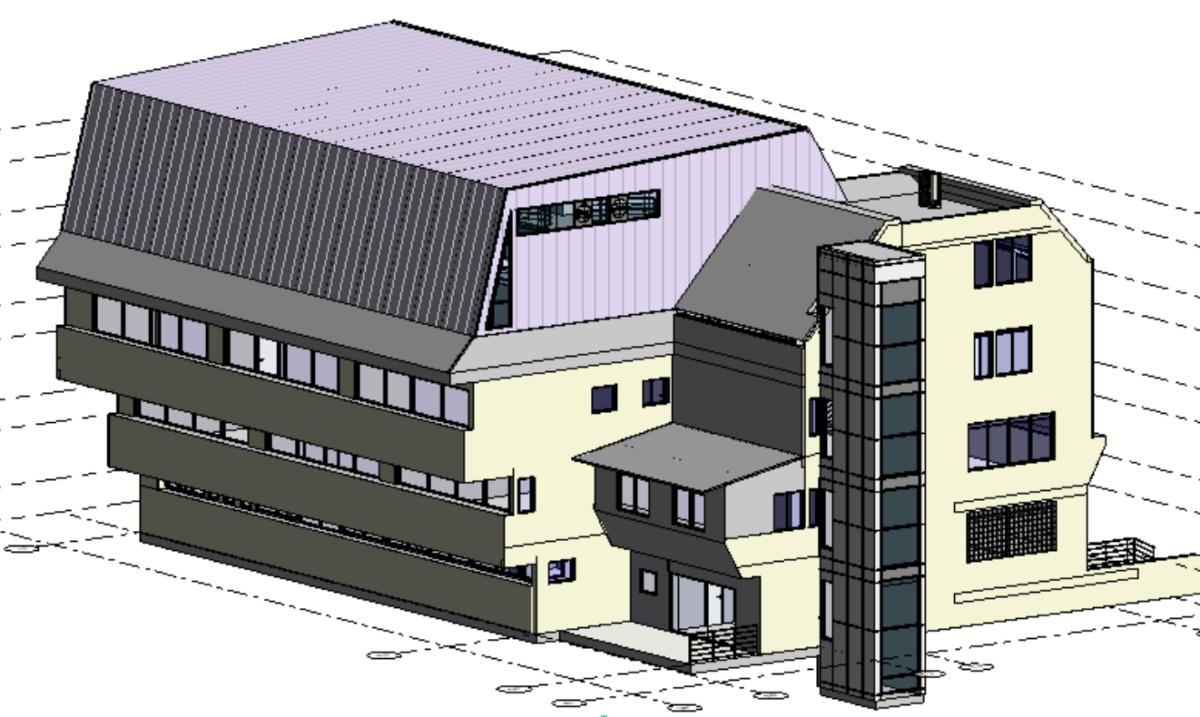
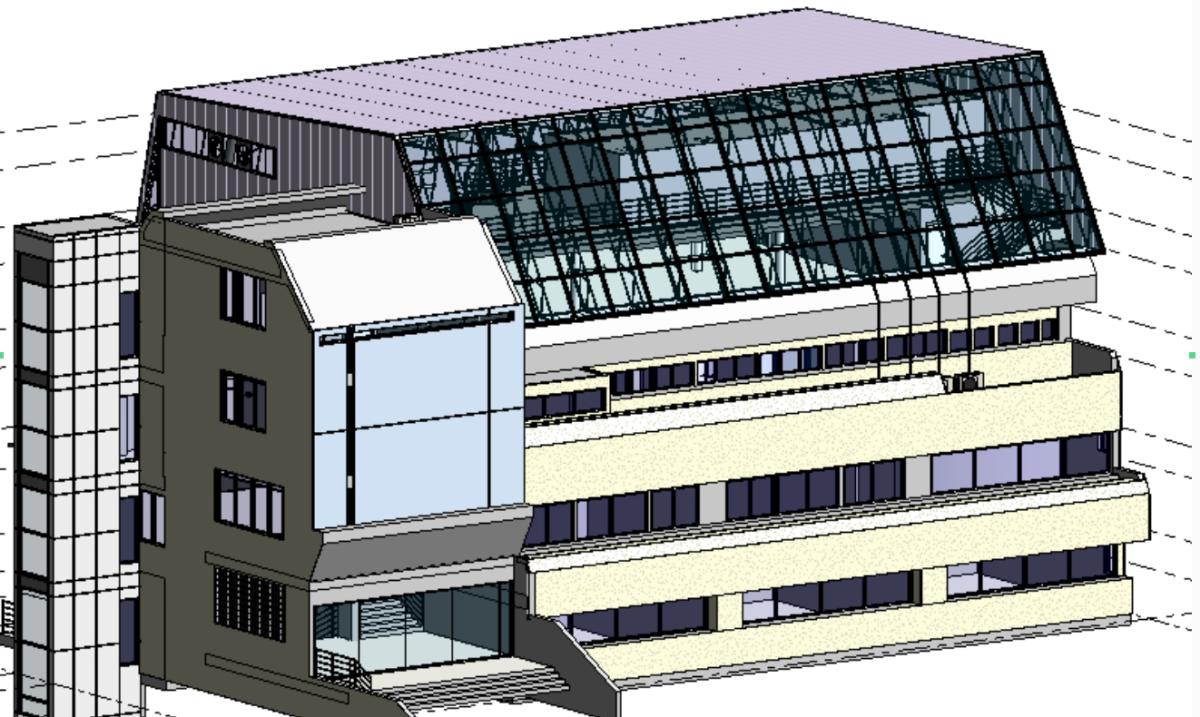
The Holon Institute of Technology Building 3 Pilot Site, is an academic administration building situated in a semi-arid coastal zone. The pilot is managed by SINCERE partner ECOAMA. The Holon pilot was constructed in 1972 in the Brutalist style, characterized by exposed reinforced concrete and deep shading elements. The building has undergone several modifications including the addition of a new light metal roof and accessibility solutions. The building exhibits significant energy inefficiencies, such as uninsulated concrete walls and lightweight metal roof with thermal transmittance values ranging from 3.14 to 3.51 W/m²K, and 5.25 W/m²K, respectively, far below the Israeli Green Building Standard 5282 0.60 W/m²K for walls and 1.50 W/m²K for roofs. Resulting in high mechanical cooling demand during hot summers.
Holon’s climate zone is a Mediterranean climate with hot, dry summers and mild, wet winters, with average temperatures at 25oC and average humidity at 72.5%, with transitional influences from the surrounding desert areas. Due to the high temperatures, the unassisted comfort zone in the psychrometric chart is only 6%, with 94% passive and active (mechanical) solutions needed for thermal comfort.
In 2022 HIT considered insulating the roof or installing additional air-conditioning units. Due to cost and construction constraints, it decided on the latter providing immediate thermal comfort, but increased energy consumption.
Applied innovations
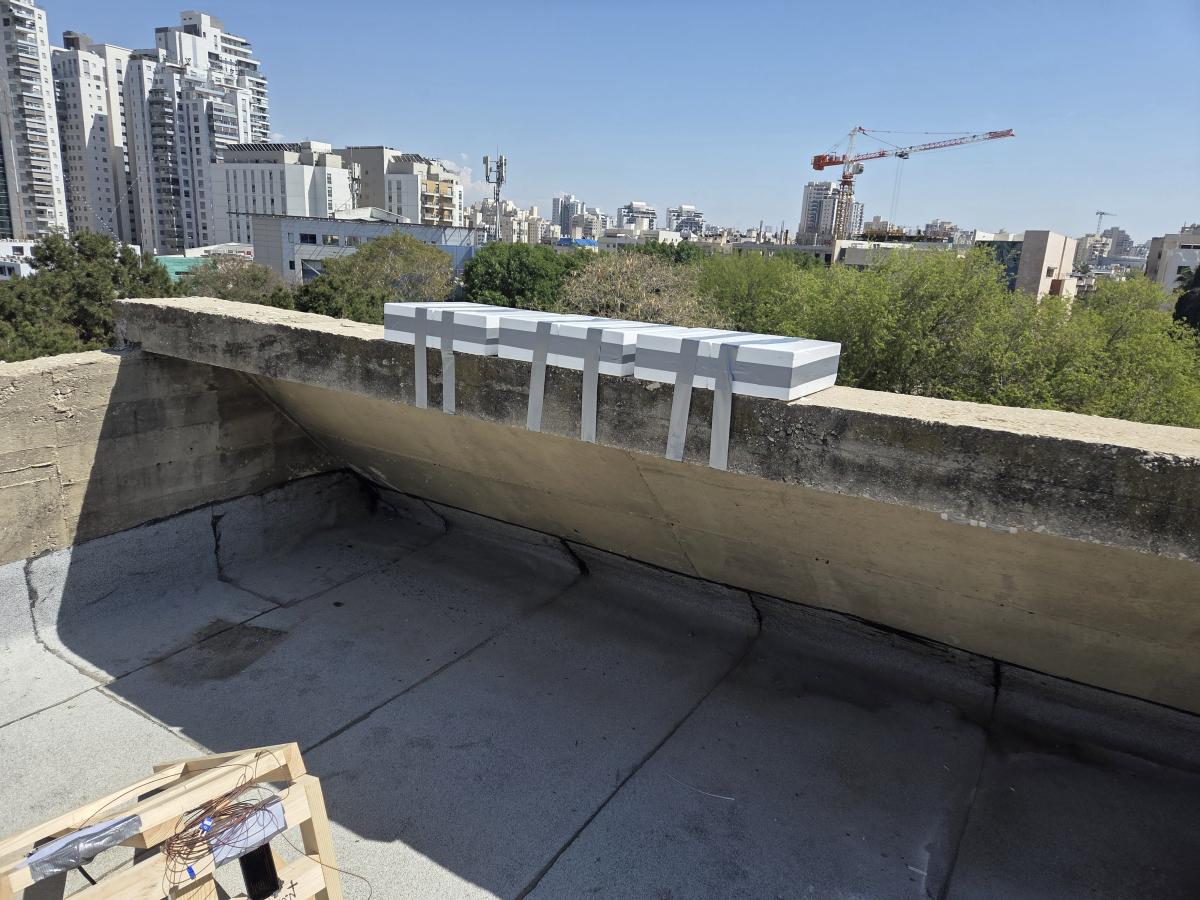
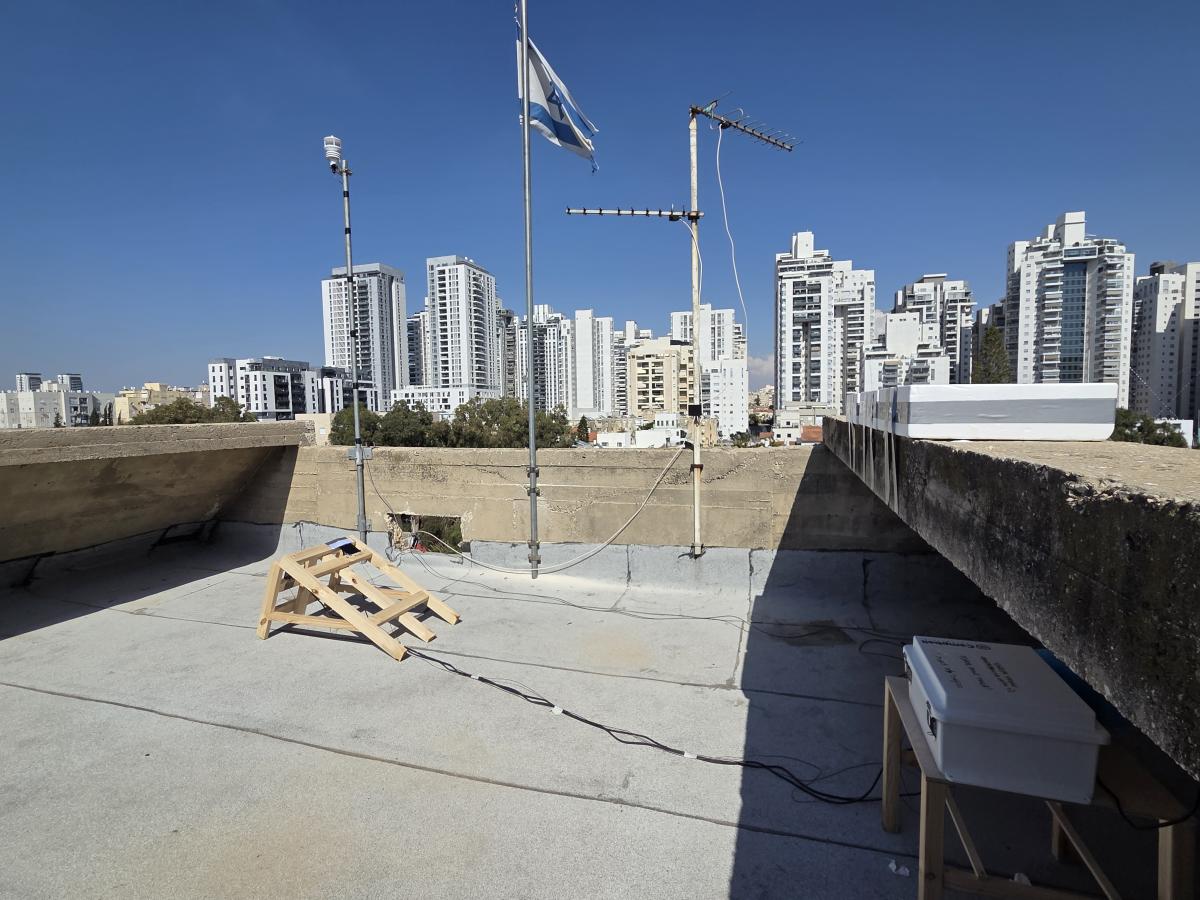
On the roof of HIT Building 3 roof, three main SINCERE interventions were installed in April 2026 and are being tested for the duration of 6-12 months.
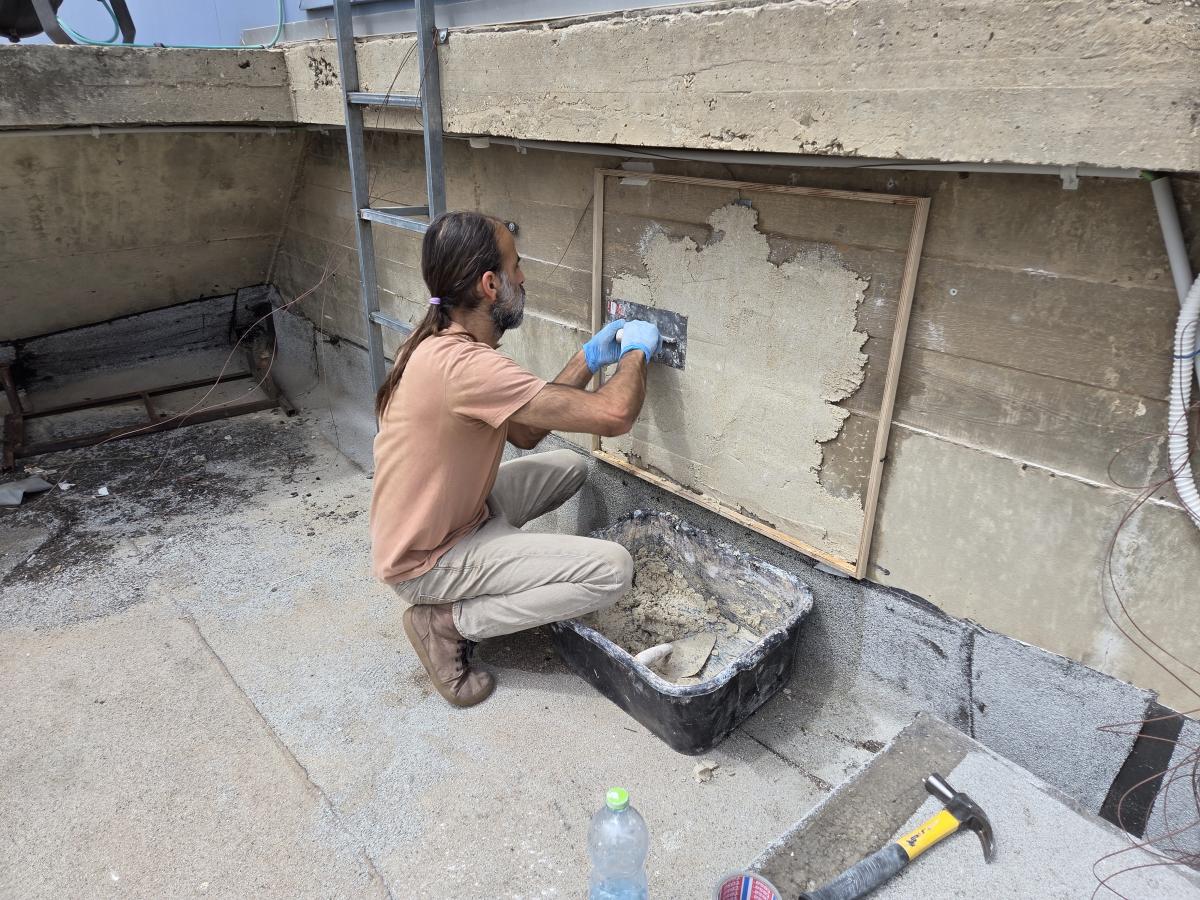
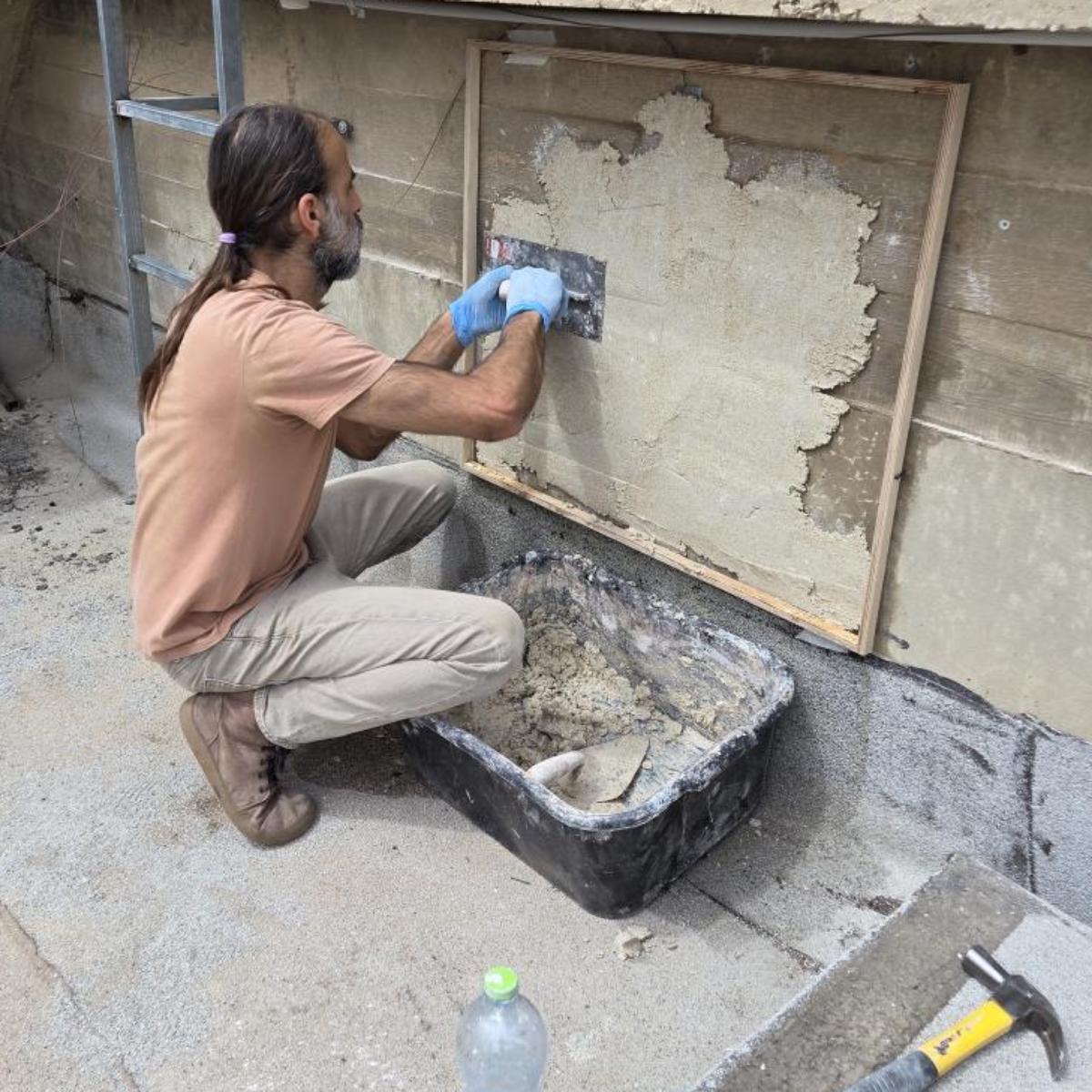
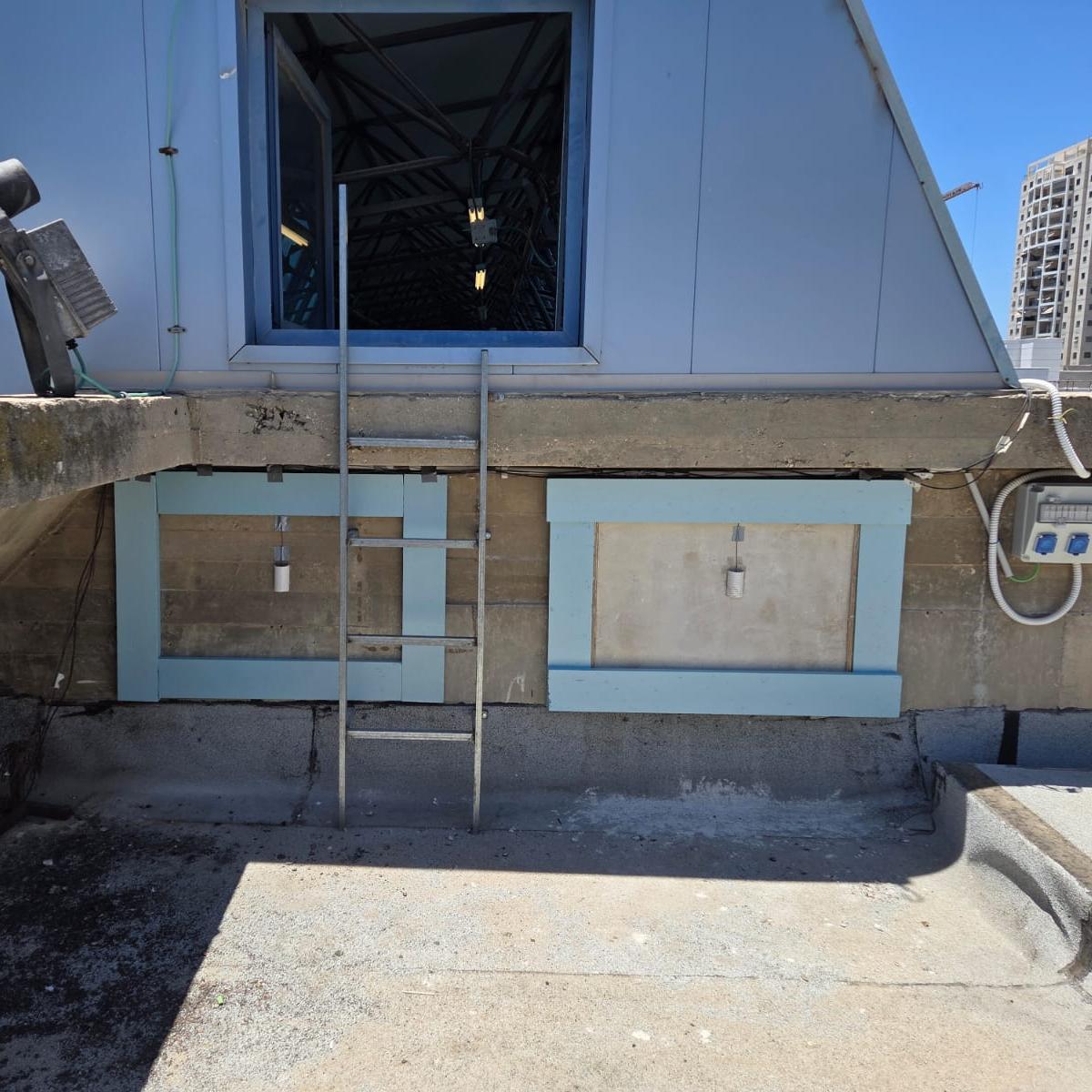
Innovative mortars
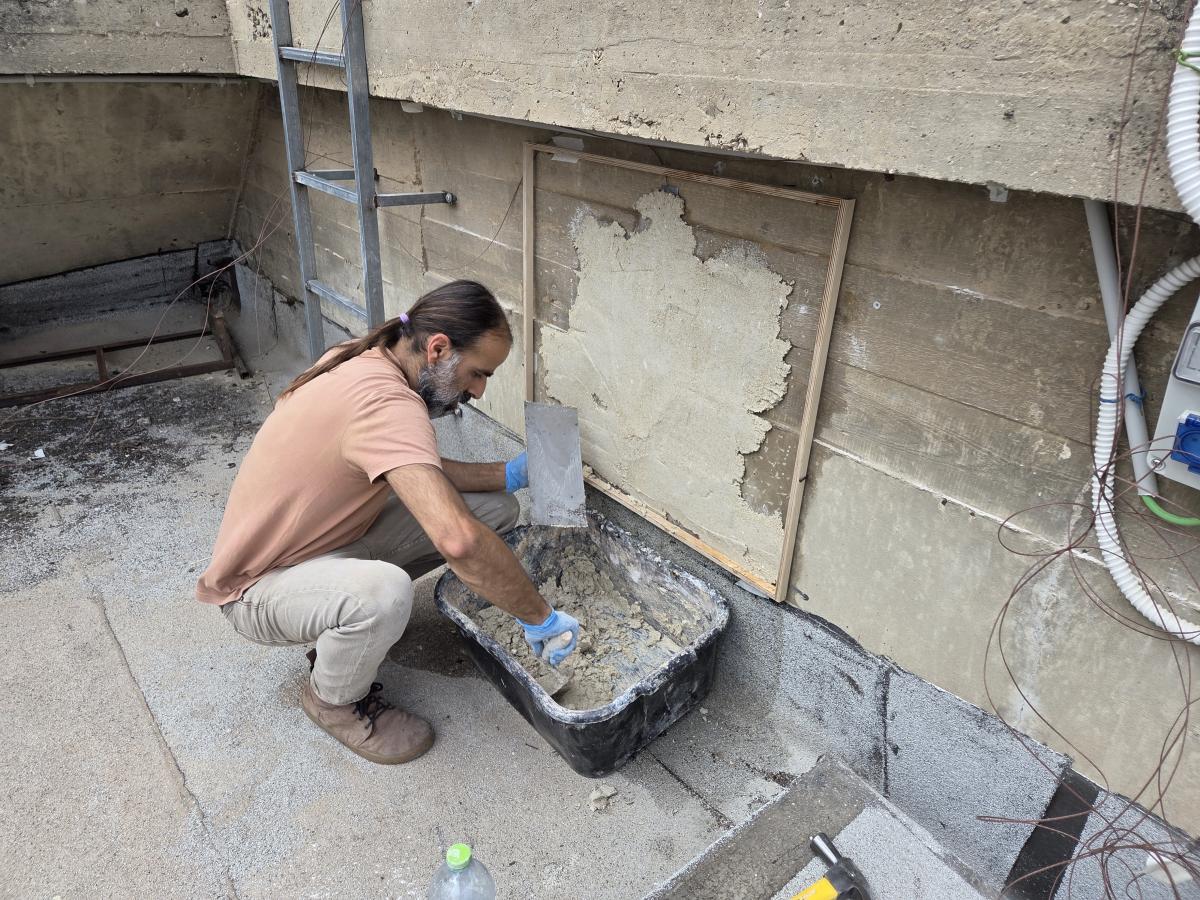
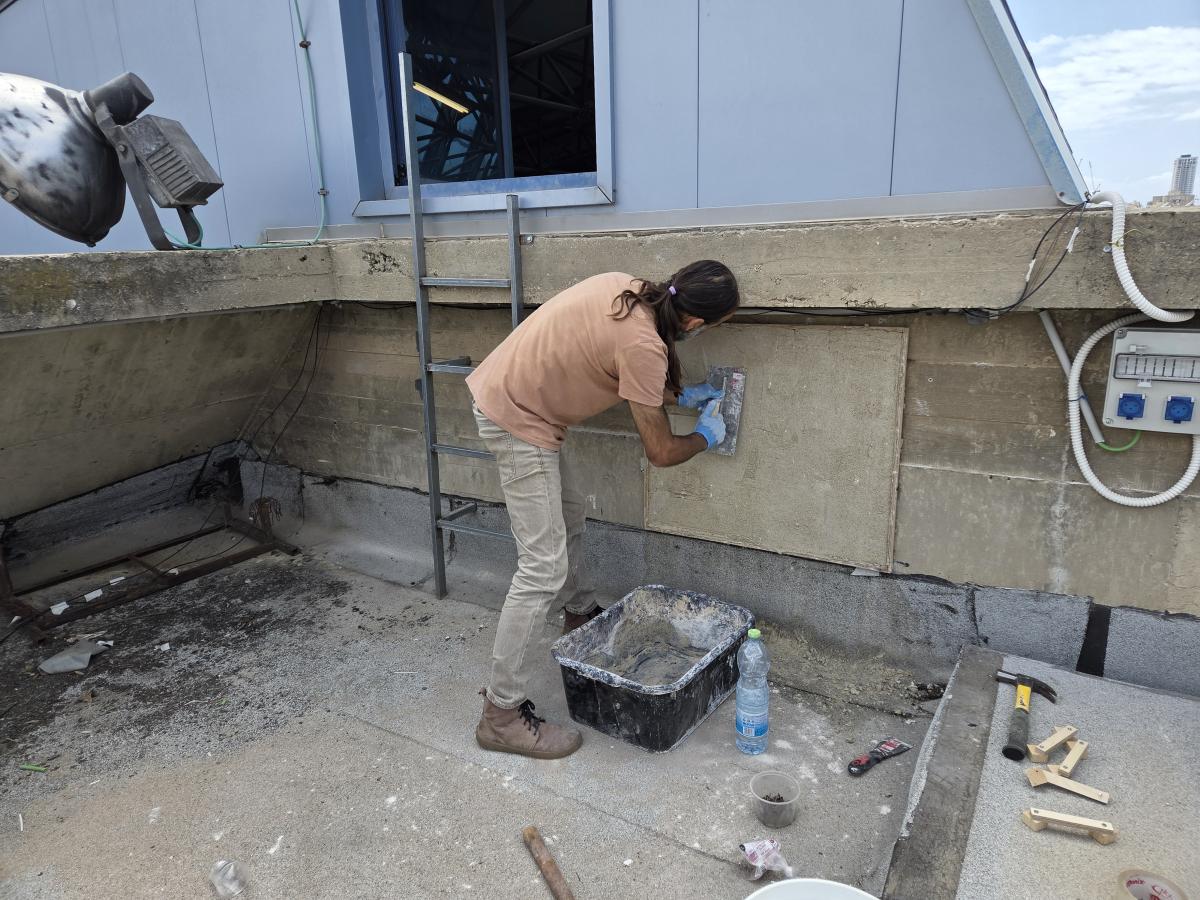
Thermal insulating mortars developed by Ben Gurion University (BGU) are using hempcrete, a bio-based low-density composite, and PCMs (Phase Change Materials) developed by the University of Navara (UNAV) in Spain, capable of storing and releasing thermal energy through phase transitions - materials that improve thermal performance while preserving and enhancing concrete surfaces.
Radiative cooling
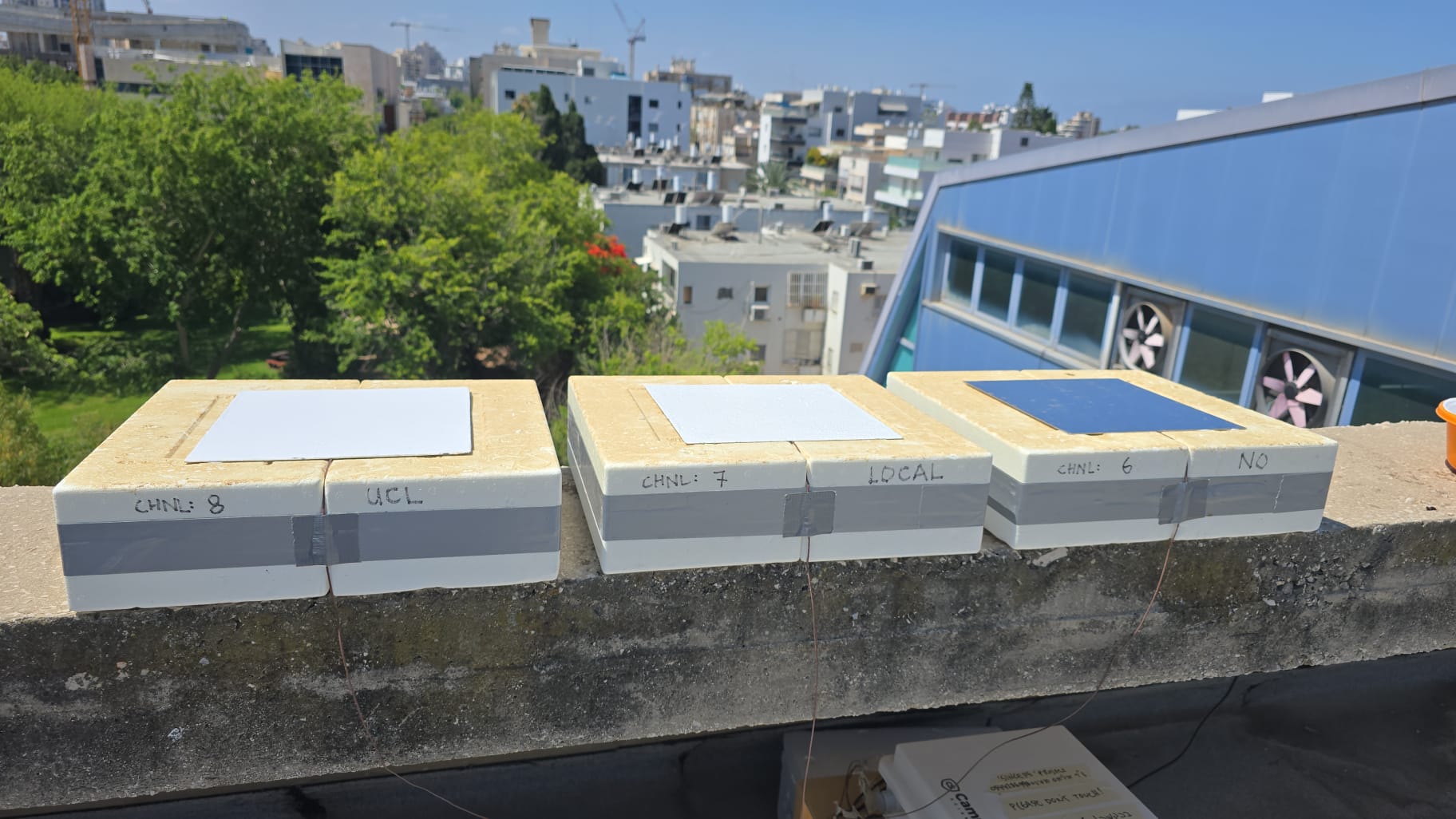
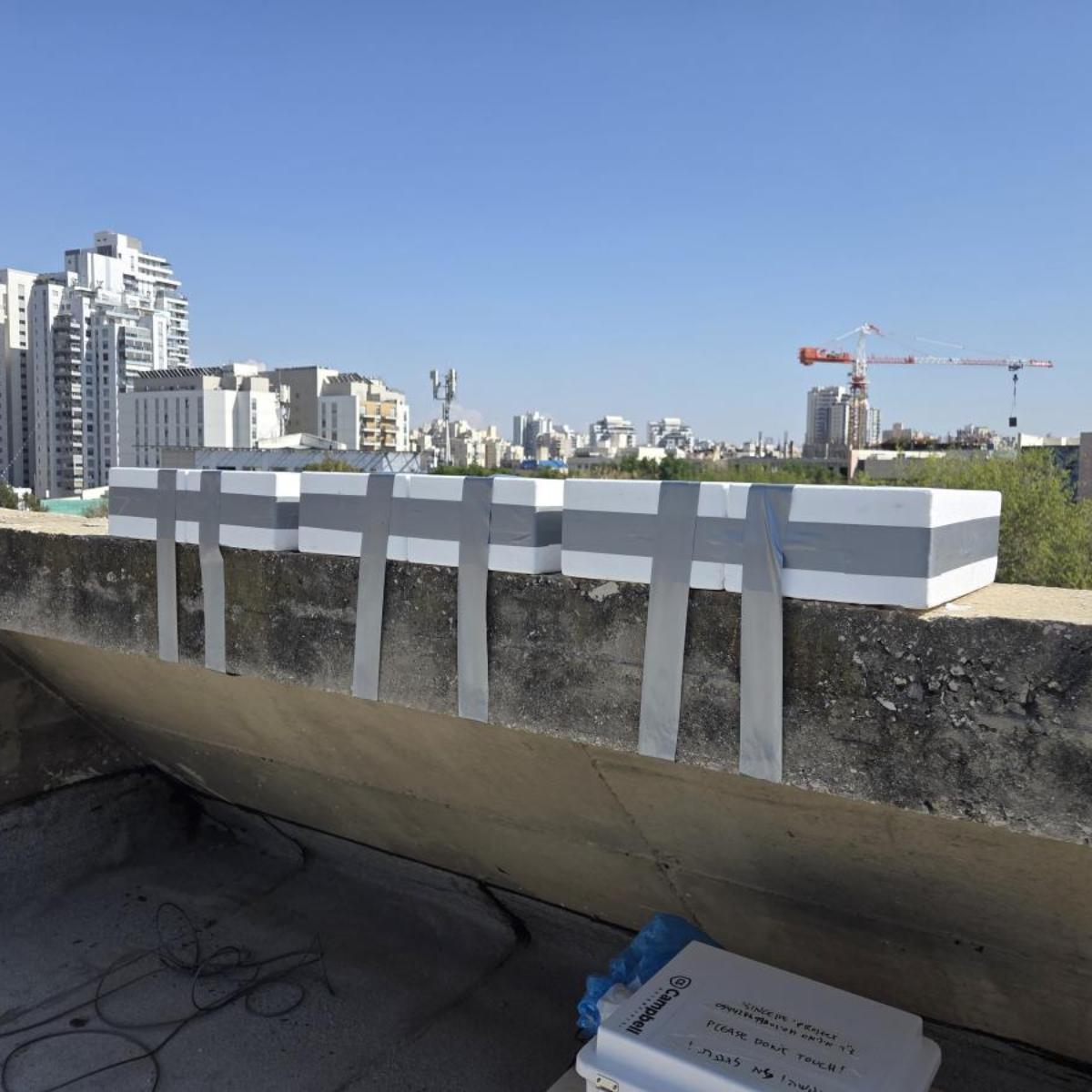
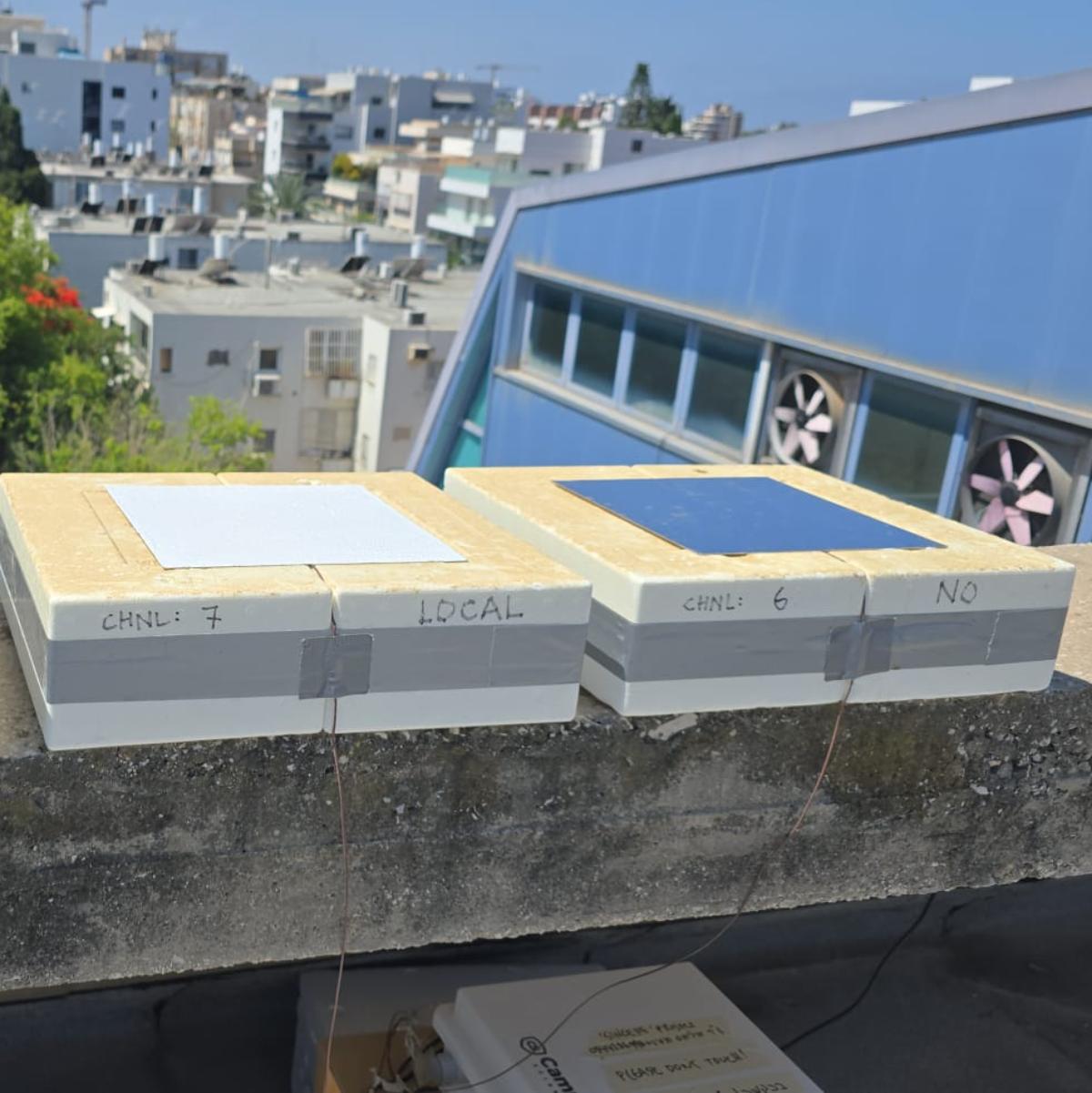
Radiative cooling coatings developed by University College London (UCL) in the UK, are surface treatments reduce solar heat gain without altering the building’s appearance. Three samples are being tested: a sample without paint; a sample with a local paint, and a sample with the UCL paint.
Integrated Perovskite solar cells
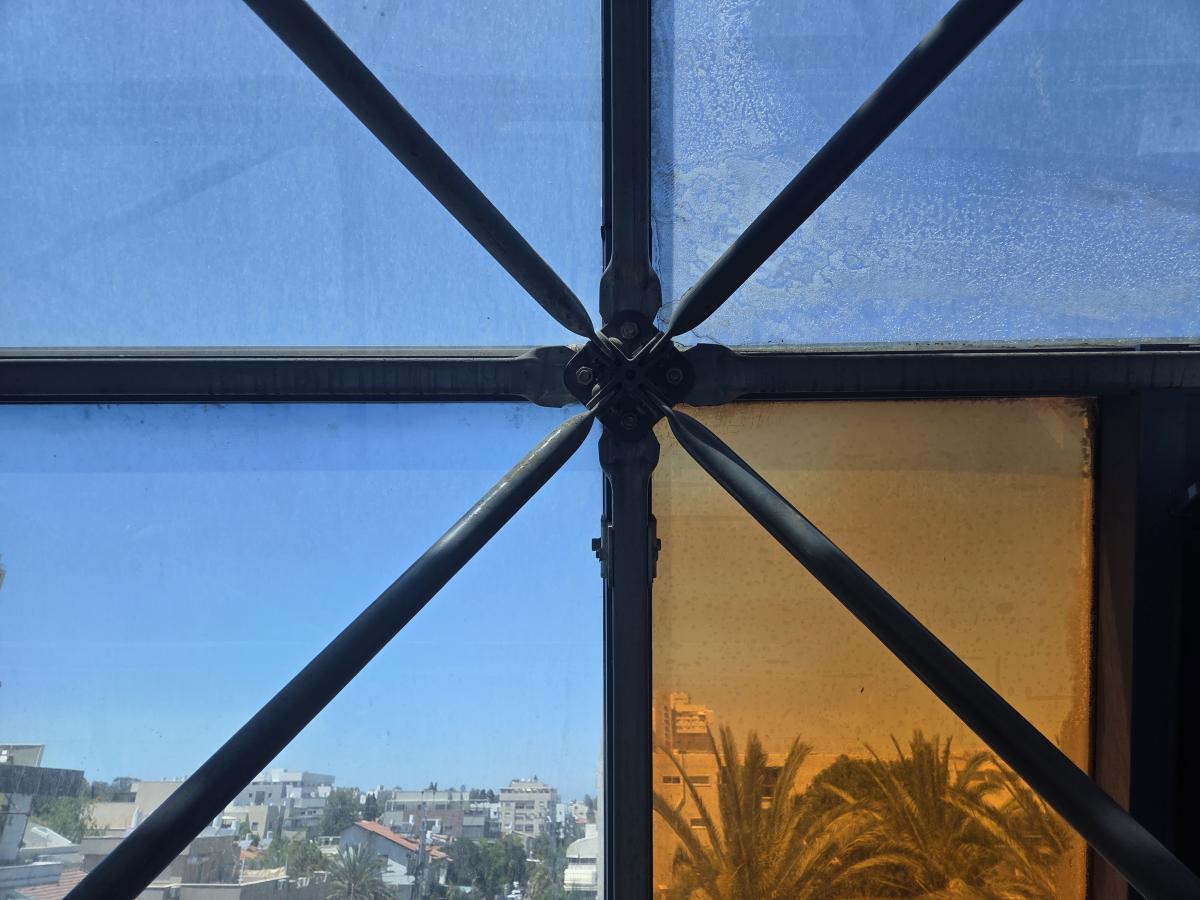
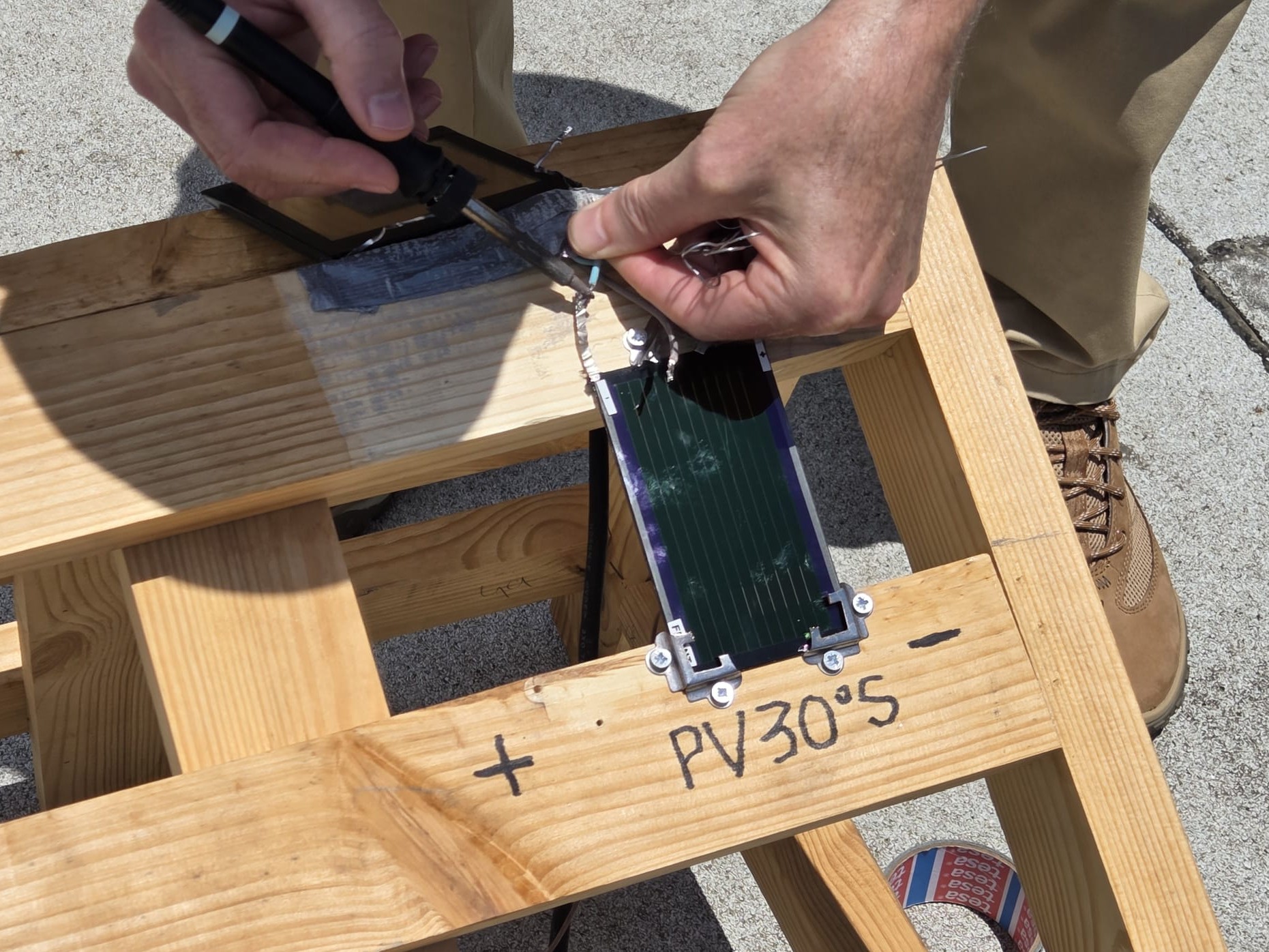
Building-integrated perovskite solar cells (BIPVs) developed by Linkoping University (LIU) in Sweden, are photovoltaic cells integrated into glazing elements that generate renewable energy while maintaining architectural transparency. Two samples are tested: one facing 70degN like the actual glazed surface of the roof, and one facing 30degS the ideal conditions for the PV. In addition, a film that simulates the color of the panel is tested on the glazed area for aesthetic purposes.
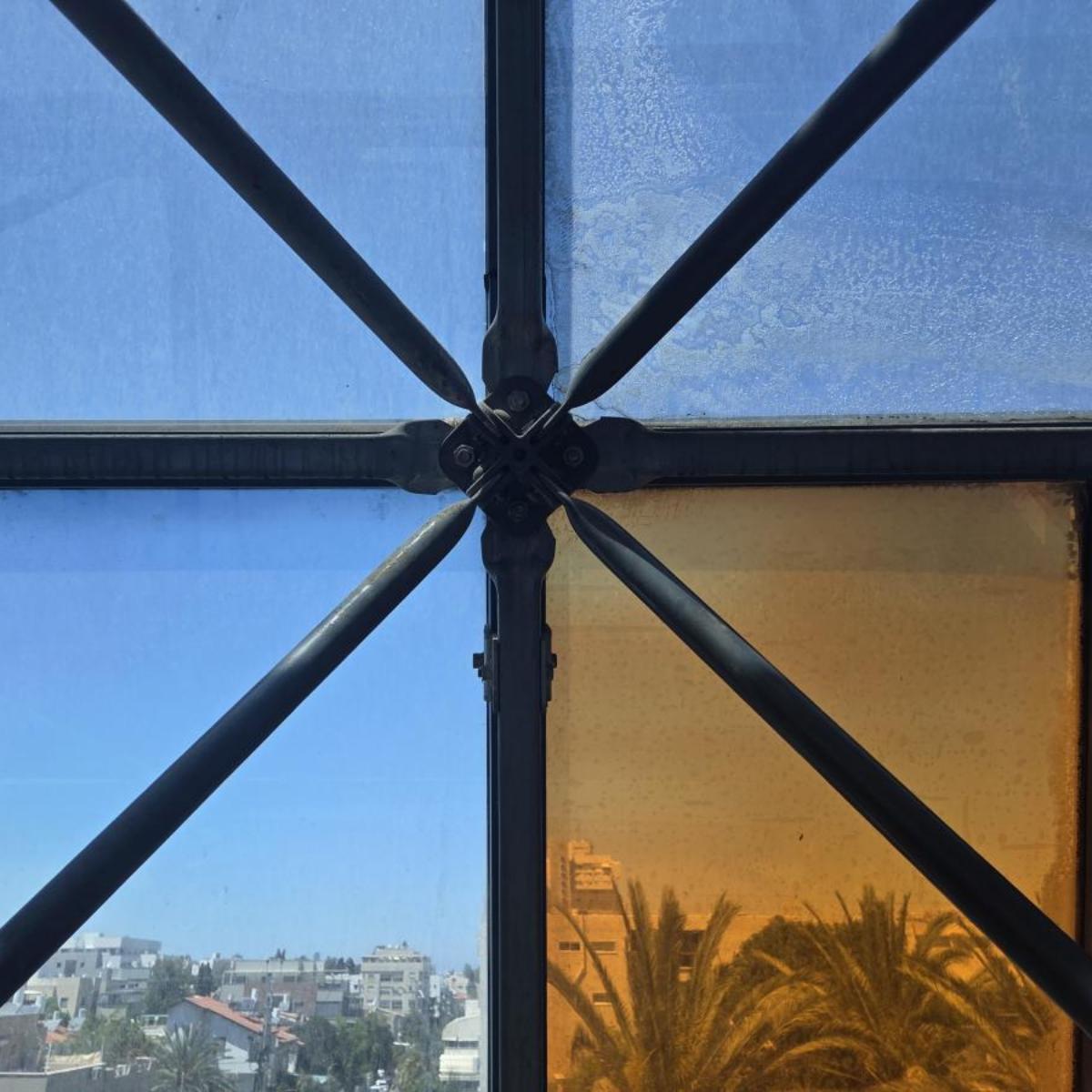
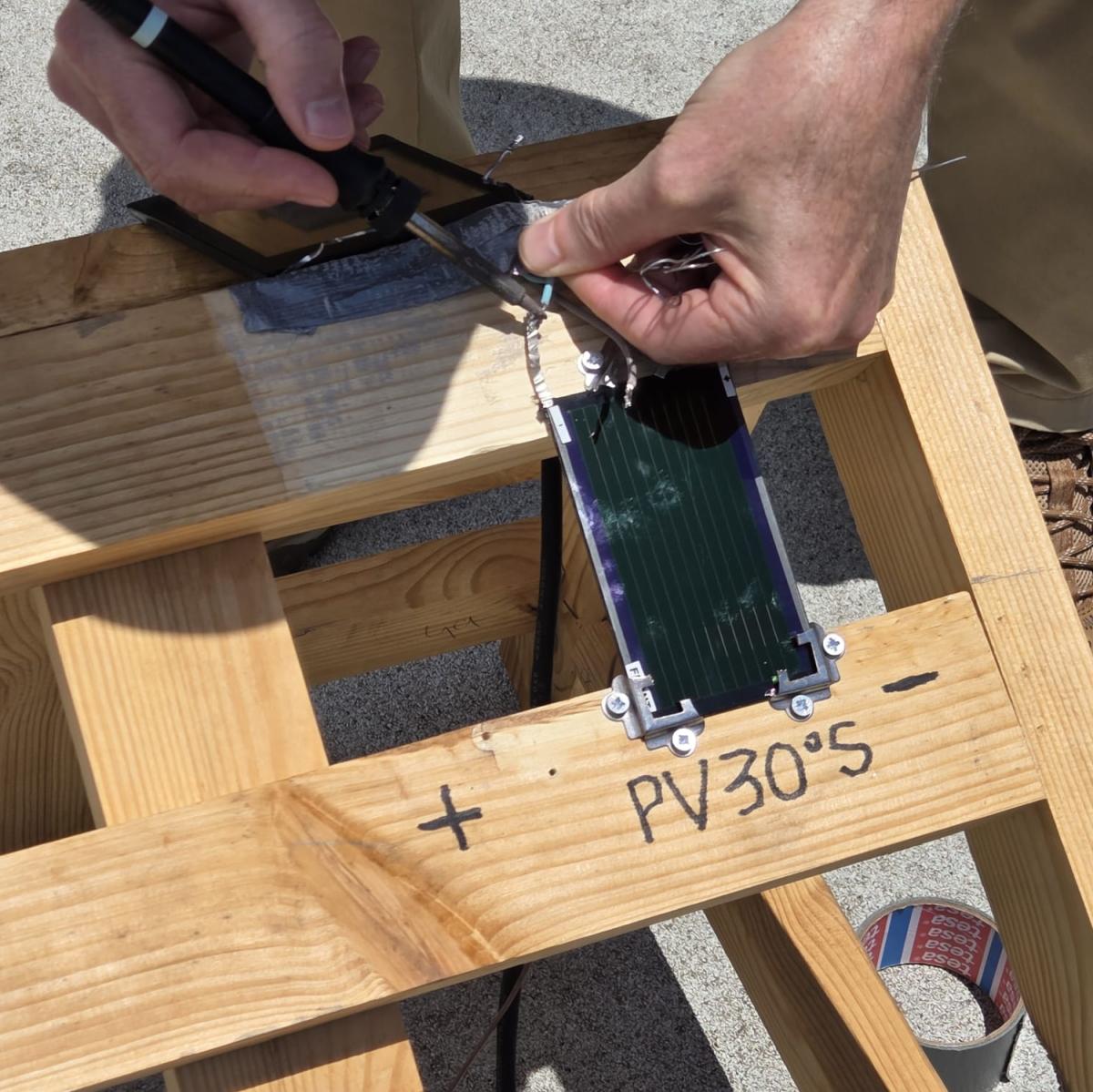
Measurements
A meteorological station that collects data of the local microclimate of wind speed and direction, temperature, humidity, pressure and solar radiation is installed at the roof.
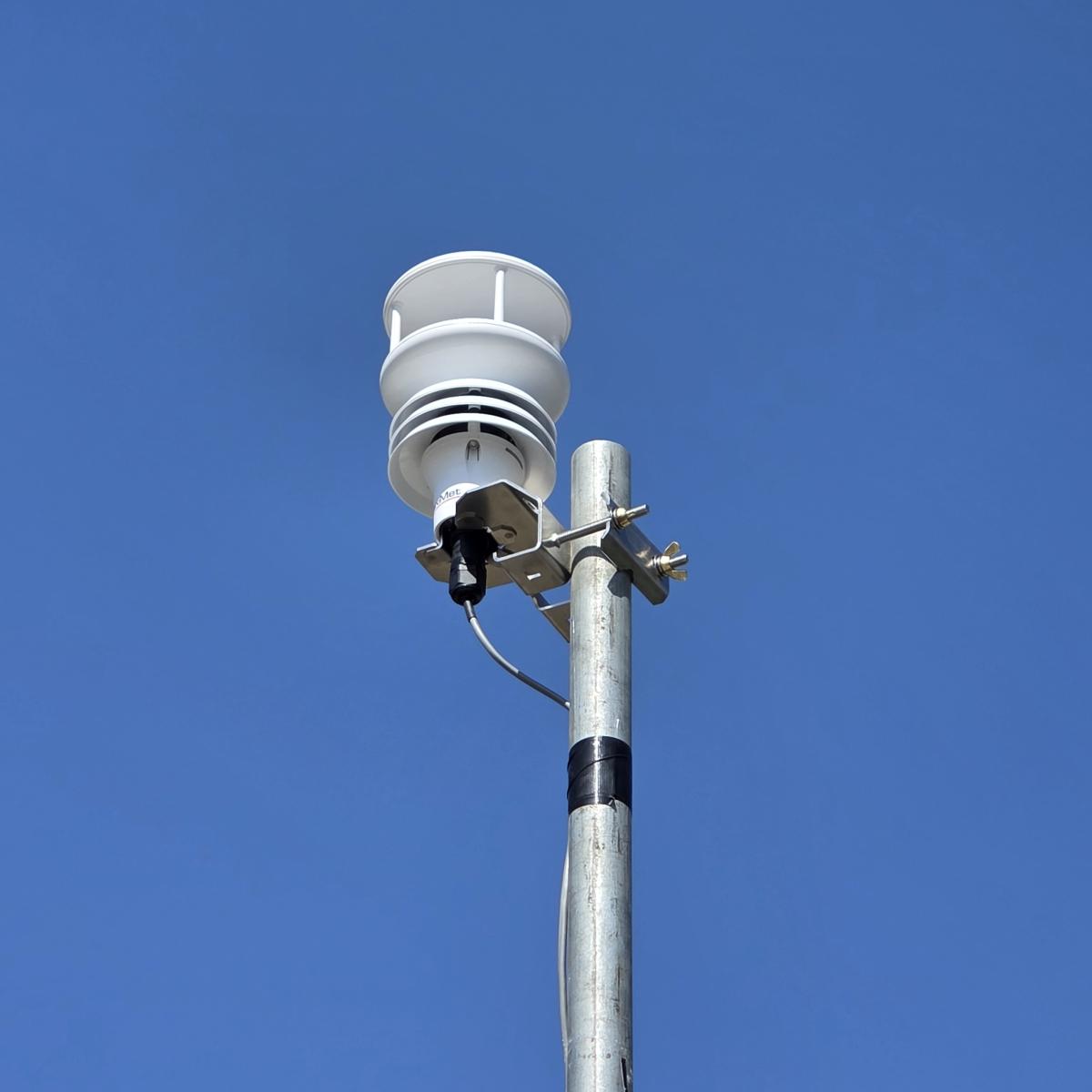
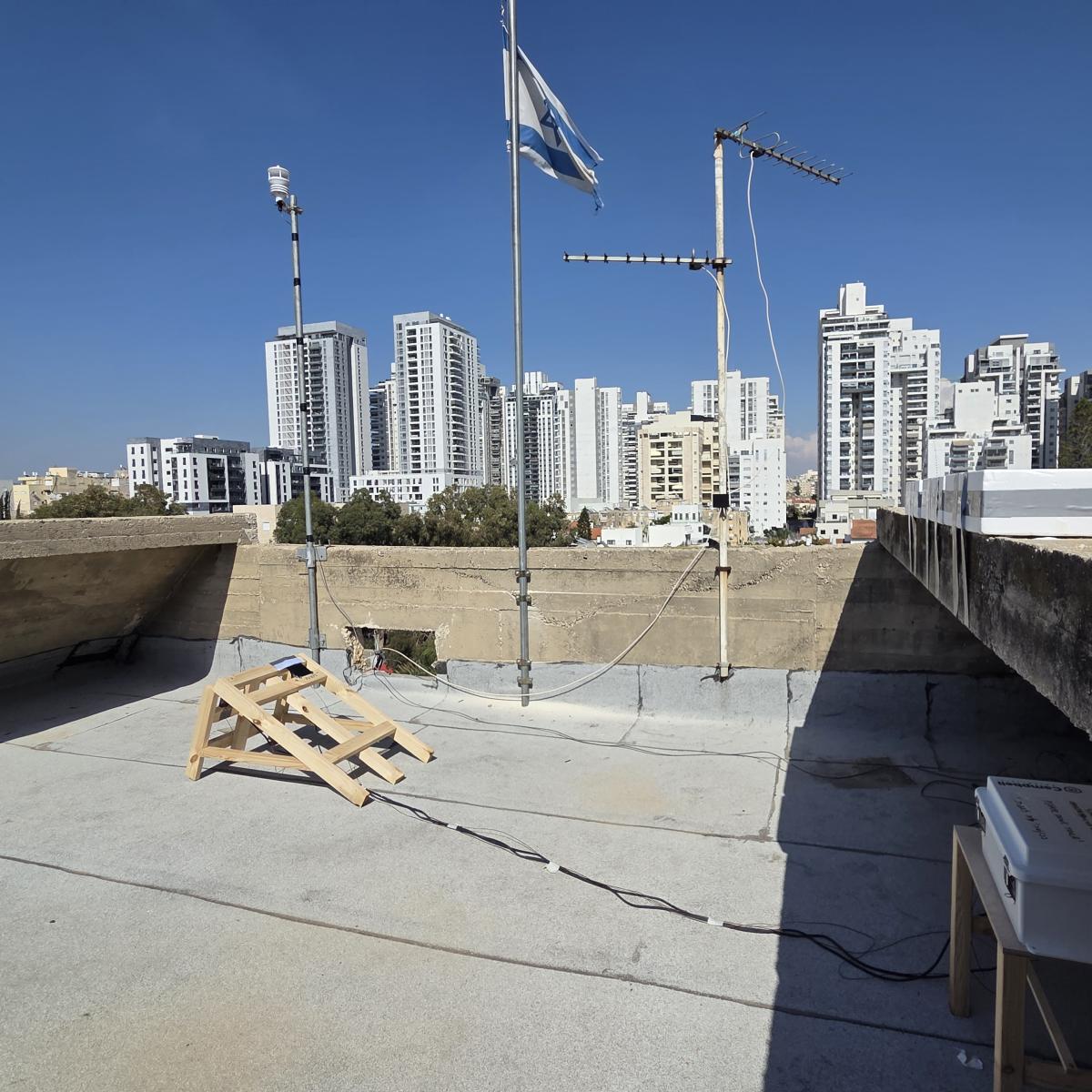
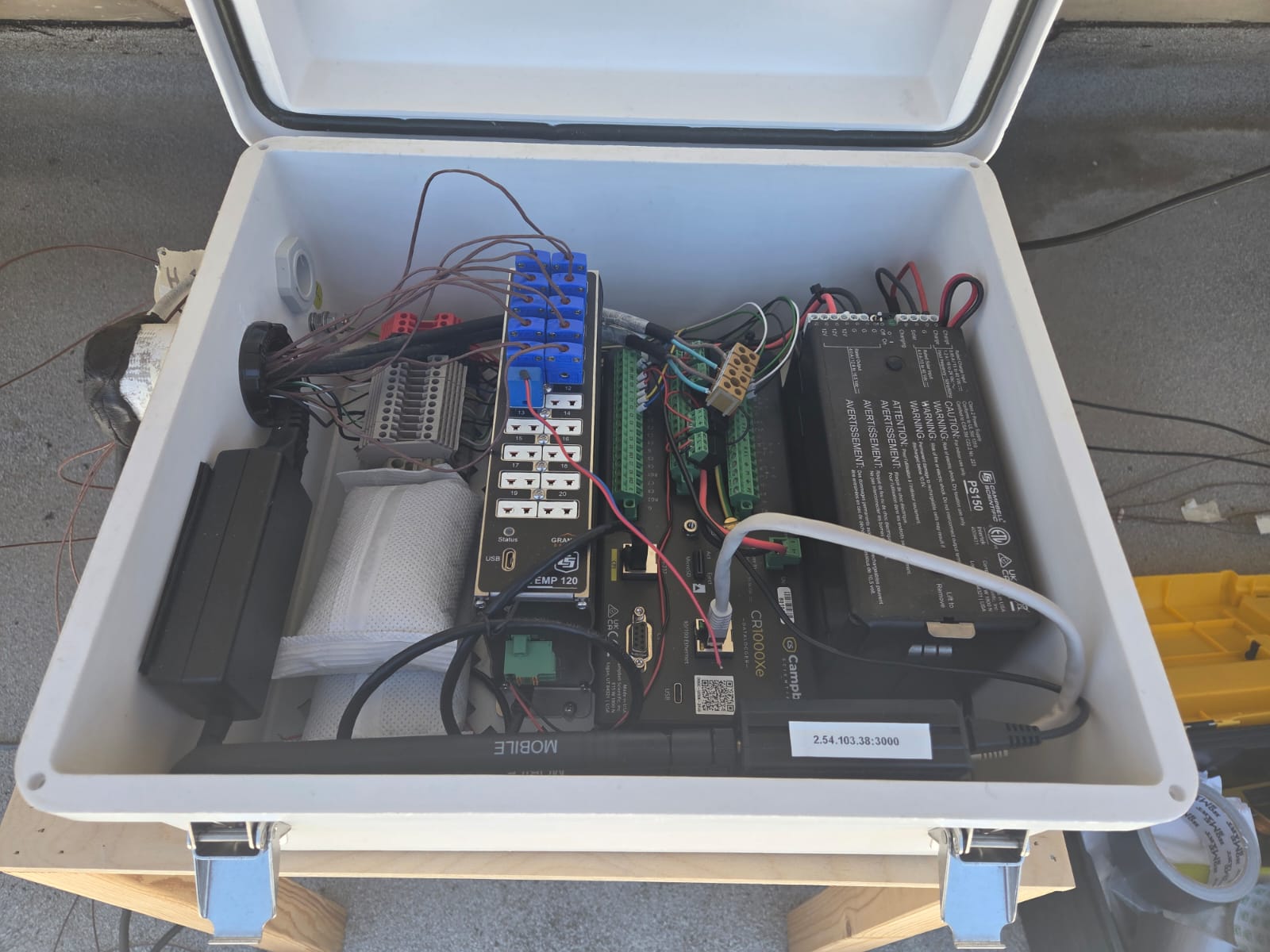
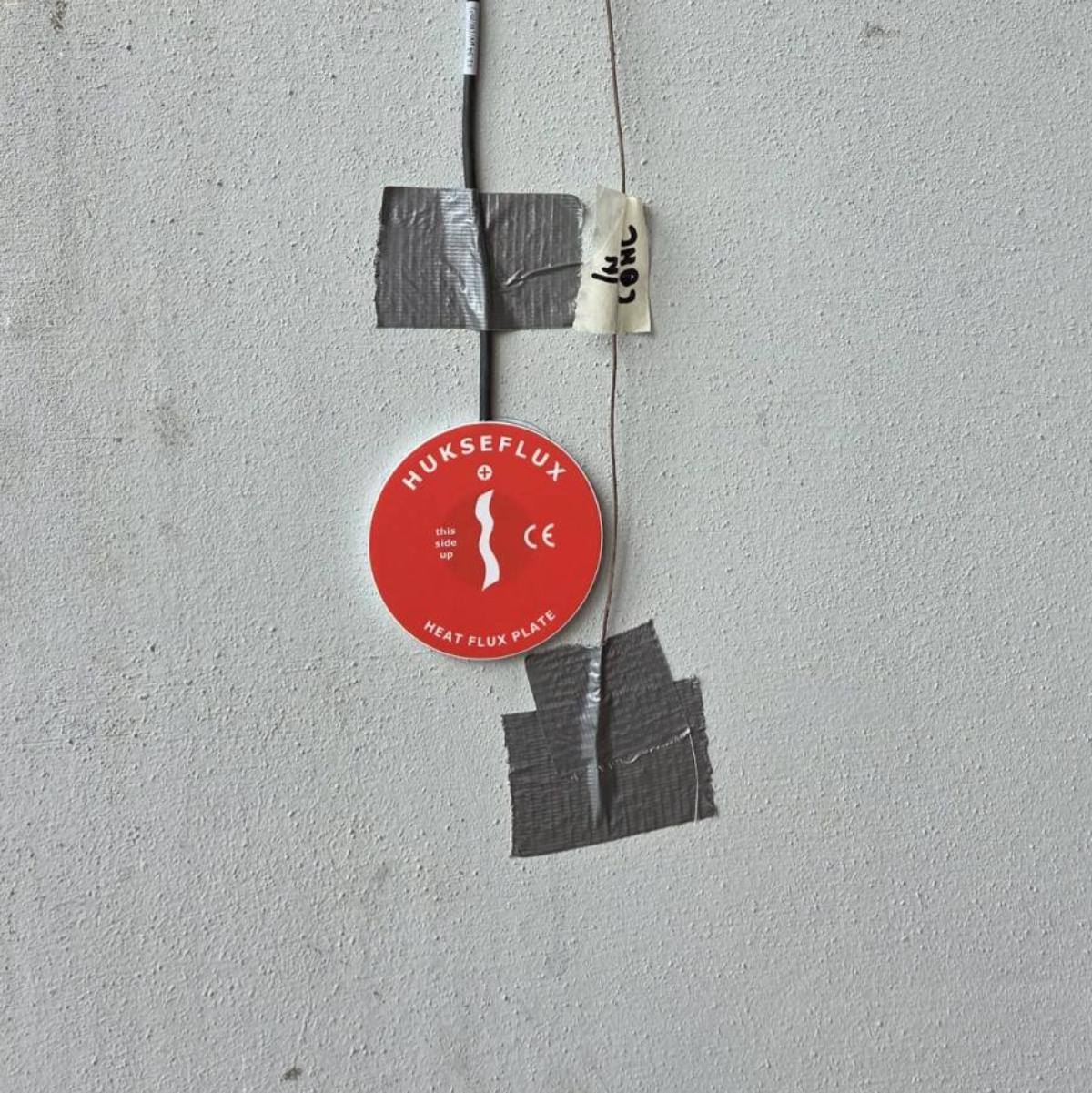
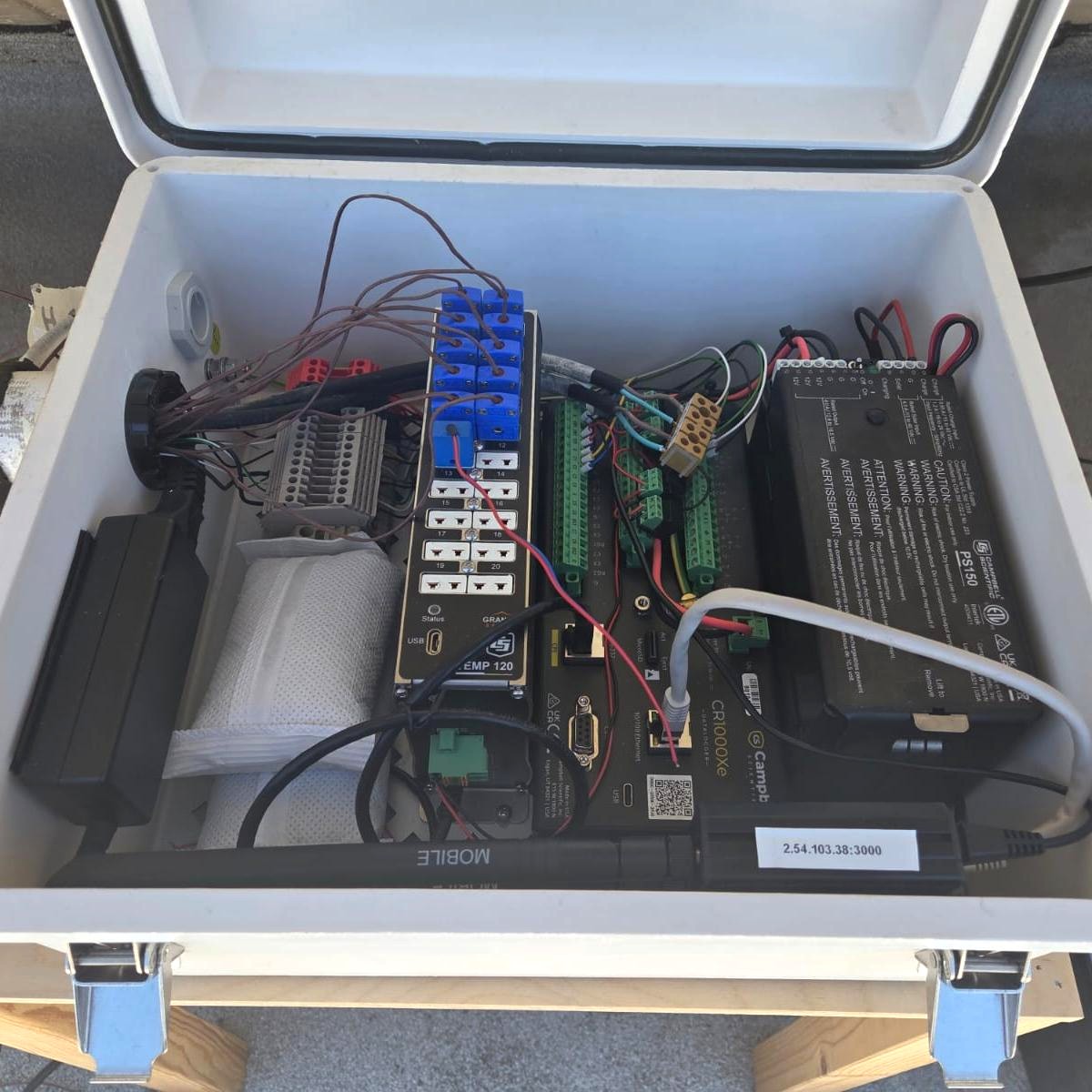
All interventions are monitored using a Campbell CR 1000Xe datalogger that transmits data online, and stored in the SINCERE FINoT Platform. Embedded sensors (thermocouples and heat flux sensors) collecting data on thermal conductivity, surface temperature, material degradation over time, and energy performance are further evaluated using H-BIM and Digital Twin systems.
Publications
In addition to the numerous journal and conference publications on the individual SINCERE innovations on materials, energy solutions, and ICT tools, there are also pilot-specific publications.
More specifically, in the context of the SINCERE special session at the Cultural Heritage and New Technologies conference (CHNT30) in Vienna, November 5th 2025 , Elias Messinas presented the paper "A Modern Cultural Heritage Sustainable Renovation. The SINCERE Horizon program pilot site of a Brutalist case study", which is currently under review for publication in the special issue.
> Press release - Xanthi workshop - 21.04.2025 - Hebrew
> Press release - Xanthi workshop - 21.04.2025 - English
> Press release - Graz workshop - 30.04.2025 - English
> Press release - Nicosia workshop - 25.12.2025 - English
> Press release - ECOWEEK Romania - 05.04.2026 - English
Community engagement
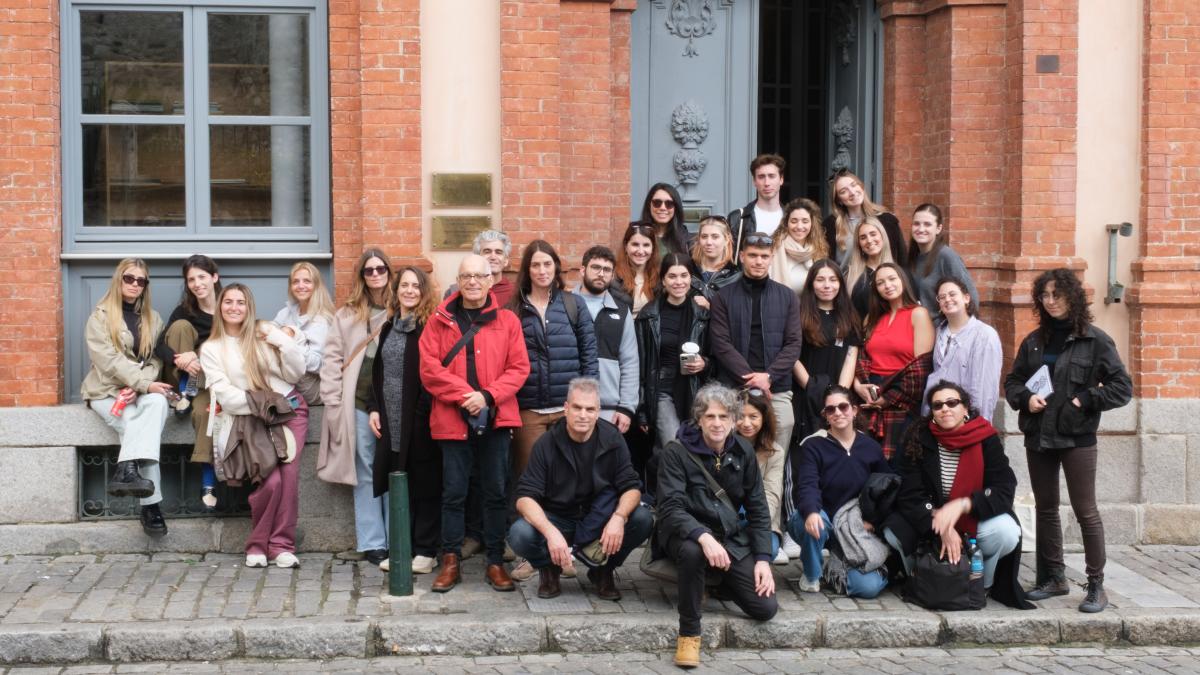
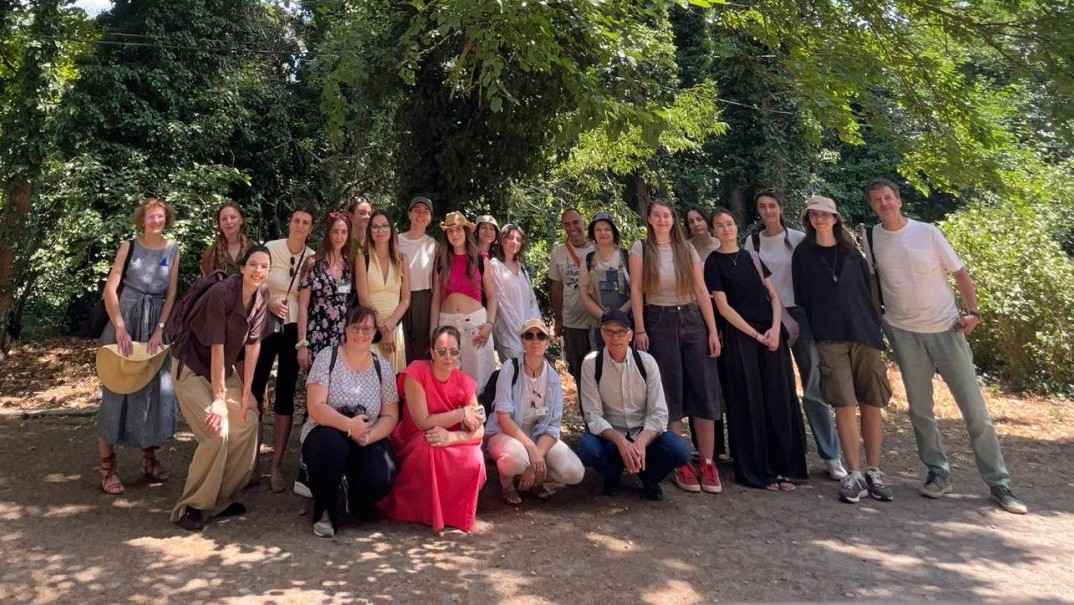
In the context of the Holon Pilot, a series of of international student design workshops were organized by ECOAMA/ ECOWEEK to generate awareness of the SINCERE innovations in the architecture and design fields, and to further develop the #TalkingBuildings methodology in close collaboration with experts.
To date, four design workshops have been taken place, in Xanthi, Greece, Graz, Austria Nicosia, Cyrpus, and Bucharest, Romania. The feedback has been very positive and more documentation on the community engagement aspects is available at the site talkingbuildings.net
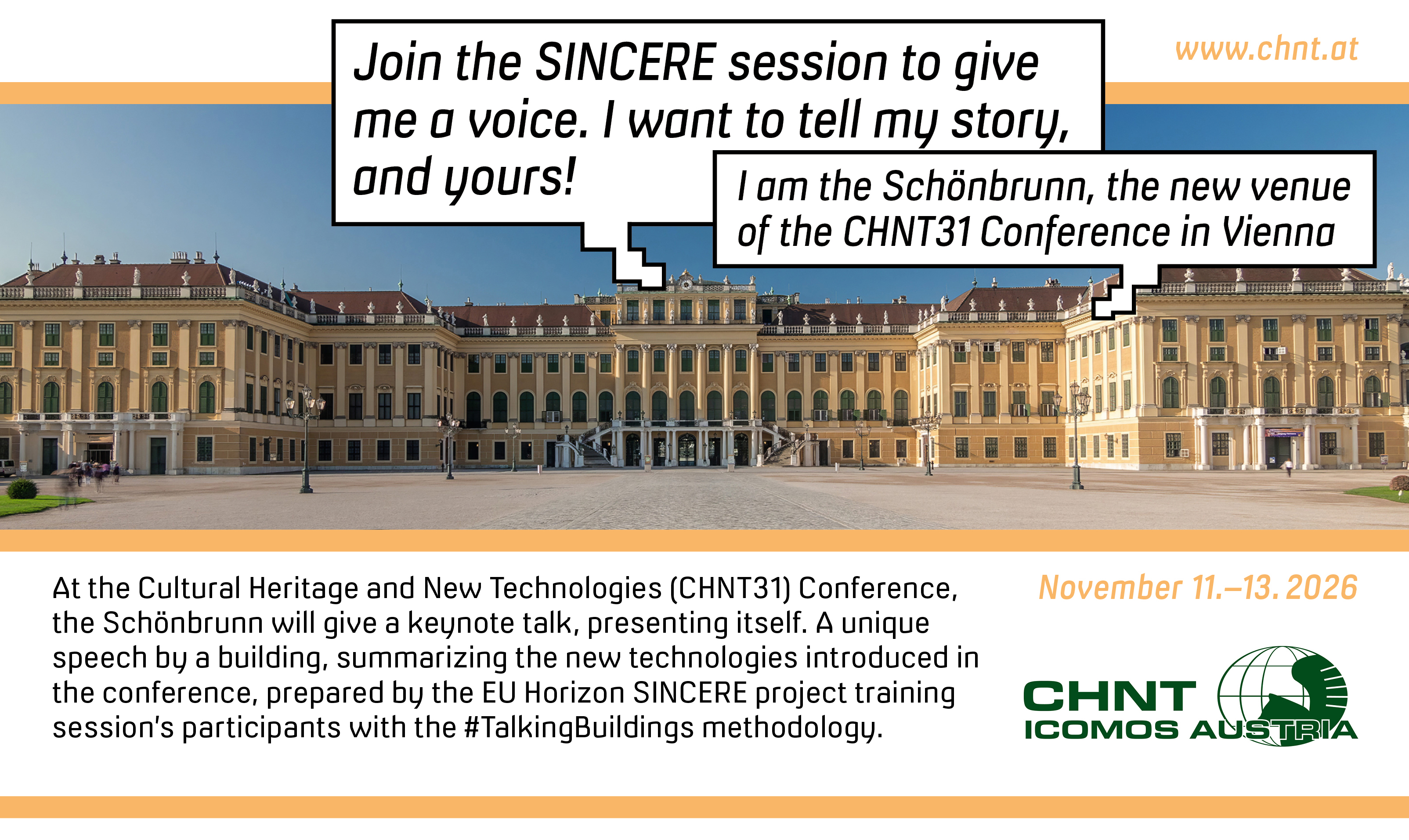
This workshpos series continues at the CHNT31 conference, where this time ECOAMA/ECOWEEK and NetHood co-organize a training session titled "Listen to the fountain / the voice of the Schönbrunn", , which aims to bring closer technology developers with researchers from different disciplines through the playful and engaging #TalkingBuildings methodology. Within the CHNT31 theme "Getting Dirty – Back to the Roots of Cultural Heritage Work" participants of the main sessions are invited to join a hands-on workshop applying exhibited technologies and research methodologies for the venue of the conference, a very special building given a voice!
Related links
> Holon Institute of Technology
> ECOAMA & ECOWEEK
> TalkingBuildings.net
> Special session at CHNT30 conference in Vienna
> Training session at CHNT31 conference in Vienna